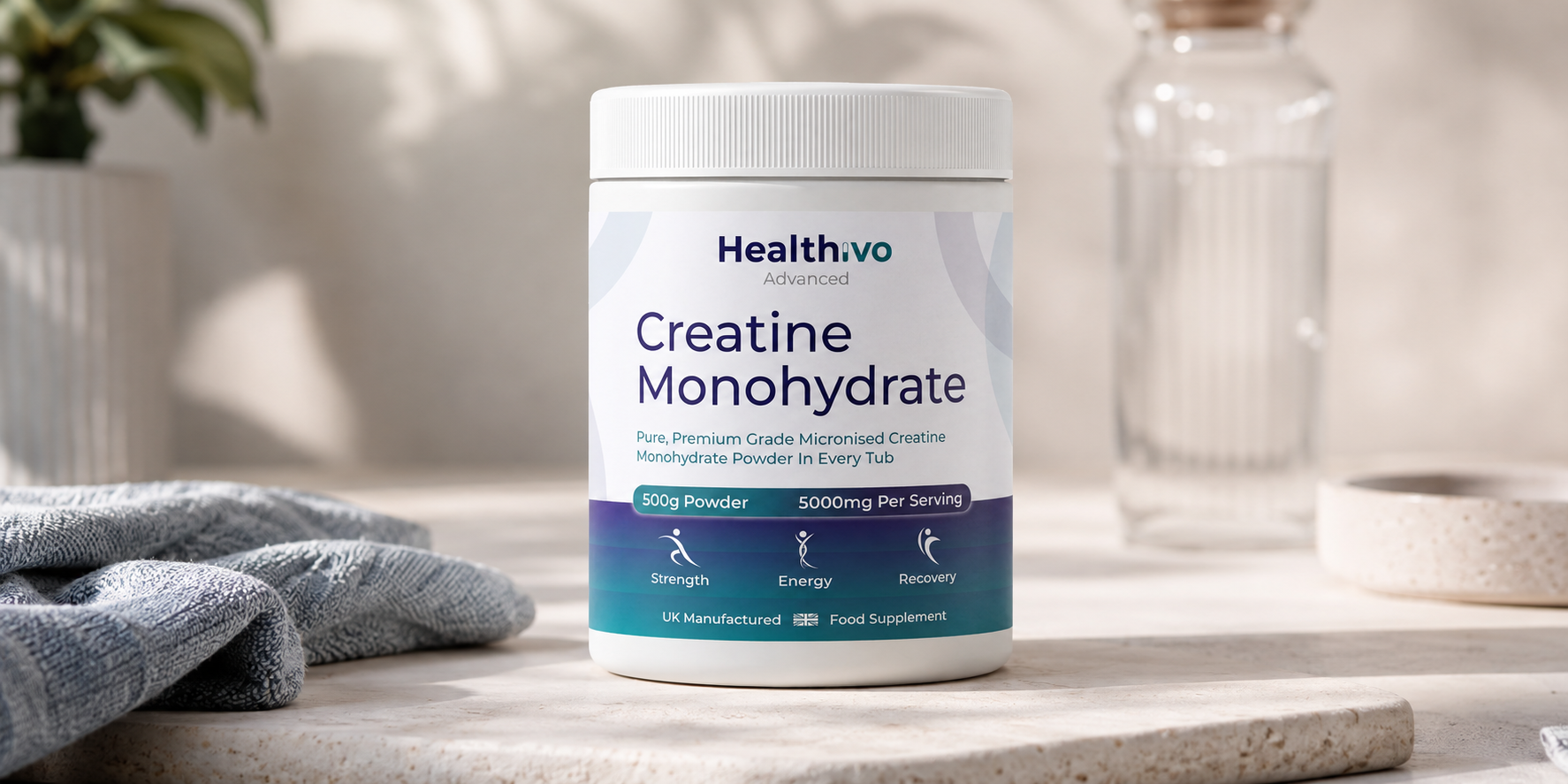
When you hear the word "Creatine", what comes to mind?
For a lot of people, it’s protein shakes, heavy weights and hardcore gym routines. And while Creatine has definitely earned its place in the fitness world, that reputation doesn’t tell the full story… not even close.
The truth is, Creatine isn’t just for gym‑goers. You don’t need to lift weights, train for a marathon or be “into fitness” to benefit from it. Creatine plays a role in everyday energy, strength and mental performance, which are all things that everyone relies on regardless of how much (or little!) you exercise.
I'll admit… for many years, I fell into this trap too. I had always assumed that Creatine wasn't for me simply because I had no desire to become a bodybuilder. However, after taking the time to properly research it, and understand how creatine actually works in the body, my perspective completely changed.
What is Creatine, Really?
Creatine is a naturally occurring compound found in small amounts in foods like red meat and fish. What many people don't realise is that your body also produces Creatine naturally and stores it mainly in your muscles, where it helps to support energy production.
For those who are curious about the Science behind it all, Creatine helps your body regenerate ATP which is the main source of energy that your cells use when energy demand is high. That is why Creatine is often linked with short bursts of effort, such as lifting something heavy, standing up quickly, or powering through a busy day.
Muscles aren’t the only place ATP matters… Your brain and nervous system are also highly energy‑dependent, which is why Creatine has become such an interesting supplement beyond sport and exercise.
Why Creatine Supplementation Makes Sense For Every Day Life...
Supporting Physical Performance When consumed daily at 3 grams, Creatine can increase physical performance in successive bursts of short-term, high-intensity exercise (Commission Regulation (EU) 432/2012)
Now, I can almost hear you thinking 'I knew it - this still doesn't apply to me"… But let's pause for a moment.
Short bursts of effort happen all the time in every daily life: carrying shopping bags, climbing stairs, lifting children, or simply handling the physical demands of daily living.
Creatine and Aging As we get older, maintaining muscle strength becomes increasingly important for mobility, balance and independence. Research suggests that Creatine supplementation, particularly when paired with resistance exercise, may help support muscle strength and lean mass in older adults (Devries & Phillips, Journal of Applied Physiology; Chilibeck et al., Journal of Nutrition, Health & Aging).
What About the Brain? We mentioned earlier that Creatine supports the regeneration of energy stores, and one organ that uses a huge amount of energy is our brain. Researches have been exploring how Creatine might support brain energy metabolism, particularly during mentally demanding periods. Some studies suggest Creatine may help with:
Short‑term memory
Mental processing
Cognitive performance during fatigue or sleep deprivation
(Rae et al., Proceedings of the Royal Society B; Avgerinos et al., Psychopharmacology)
Why Are People Choosing Creatine Capsules?
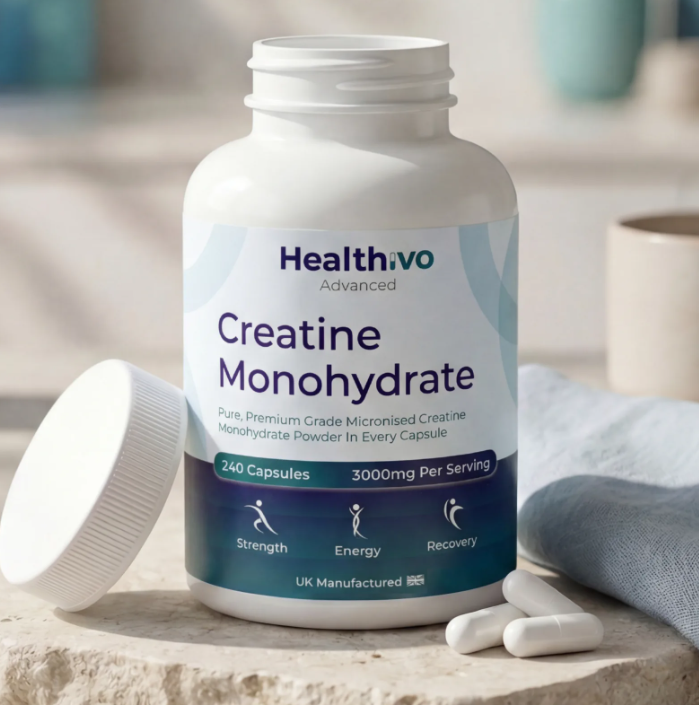
People who eat little, or no meat, tend to have a much lower intake of Creatine from diet alone. Even a typical meat-containing diet only provides around 1-2 grams of Creatine per day, which is still relatively low (Mayo Clinic, 2026) given that the common recommended intake sits around 3-5 grams per day (Harvard Health, 2024). This is why supplementation can make sense for many, if not all, people.
Remember, this isn’t about extremes, it's about supporting the body where energy demands exist every single day.
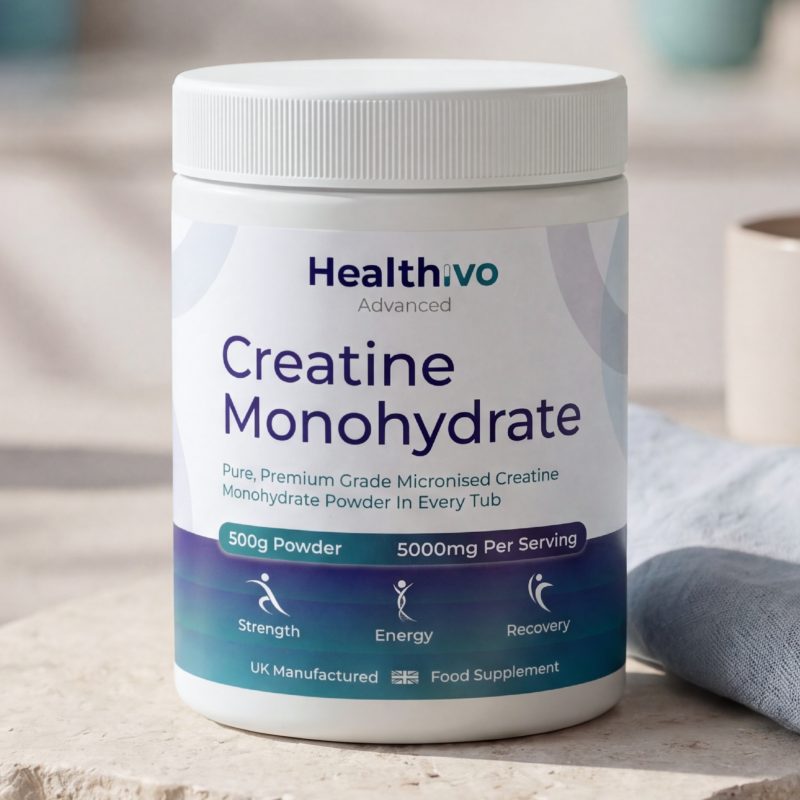
Featured in this post
Creatine Monohydrate Powder
£16.95
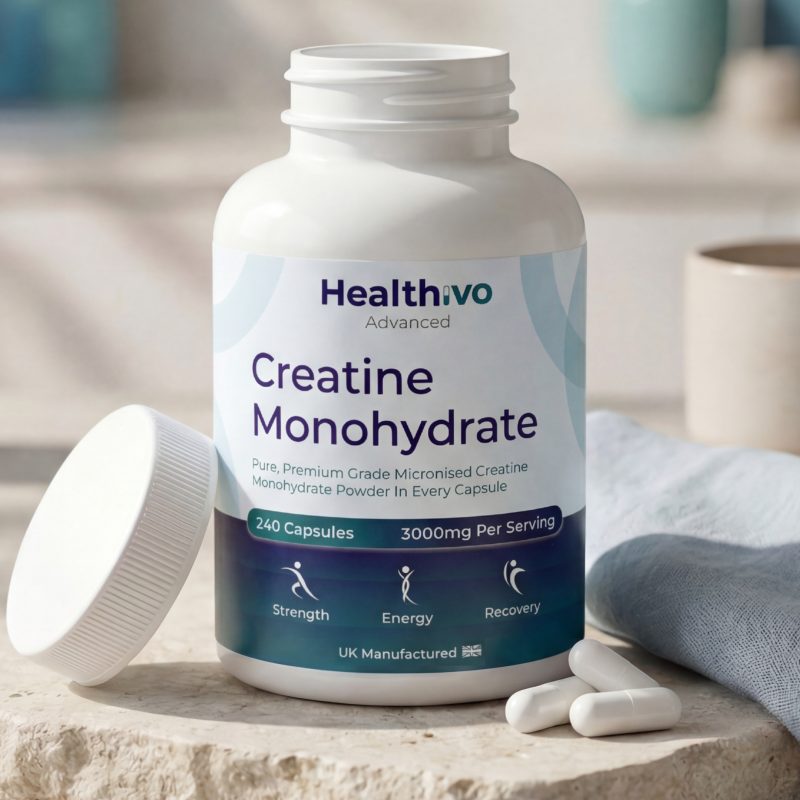
Featured in this post
Creatine Monohydrate Capsules
£15.95
The Bottom Line...
Creatine isn't reserved for just athletes or gym regulars. It's a naturally occurring compound that already plays a role in supporting energy, strength and performance (things we all use daily!). Whether you're active, busy, health-concious or simply looking to support your body over time, Creatine may be far more relevant than its reputation suggests. At Healthivo, we believe supplements should support real life and Creatine is a great example of that.
References
- [1]Avgerinos et al., 2018. Psychopharmacology
- [2]Chilibeck et al., 2017. Journal of Nutrition, Health & Aging
- [3]Devries & Phillips, Journal of Applied Physiology
- [4]European Commission. EU Register of Nutrition and Health Claims
- [5]Harvard Health: What is Creatine - Potential Benefits and Risks of this Supplement
- [6]Mayo Clinic: Creatine
- [7]• Rae et al., 2003. Proceedings of the Royal Society B